Open 24/7, Monday to Sunday | Serving Honolulu since 2016(833) 652-8890
Eugene Dumpster RentalDumpster Rental Honolulu, HI
Dumpster Rental Honolulu, HI

Local debris service

Dumpster Rental Honolulu, HI

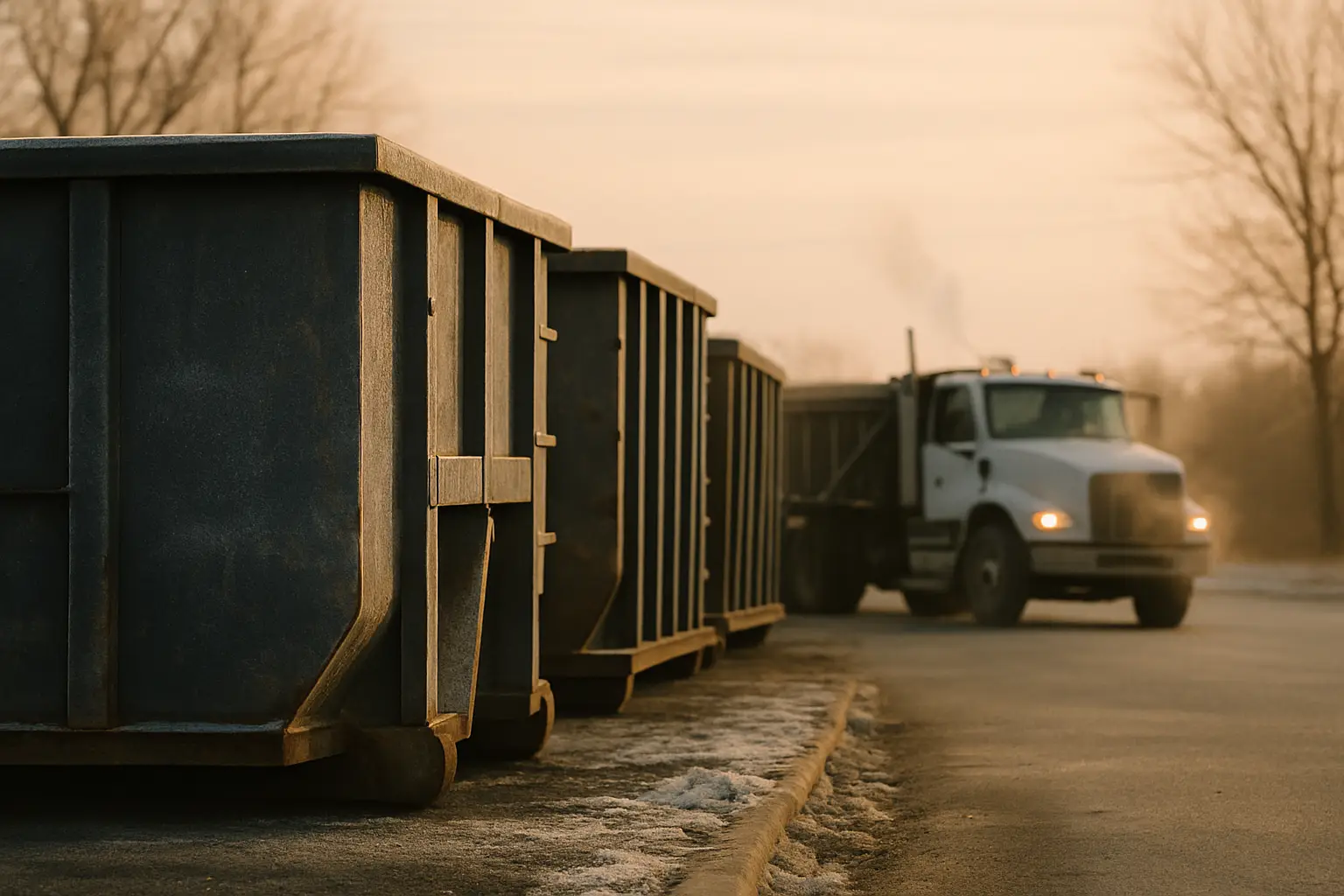
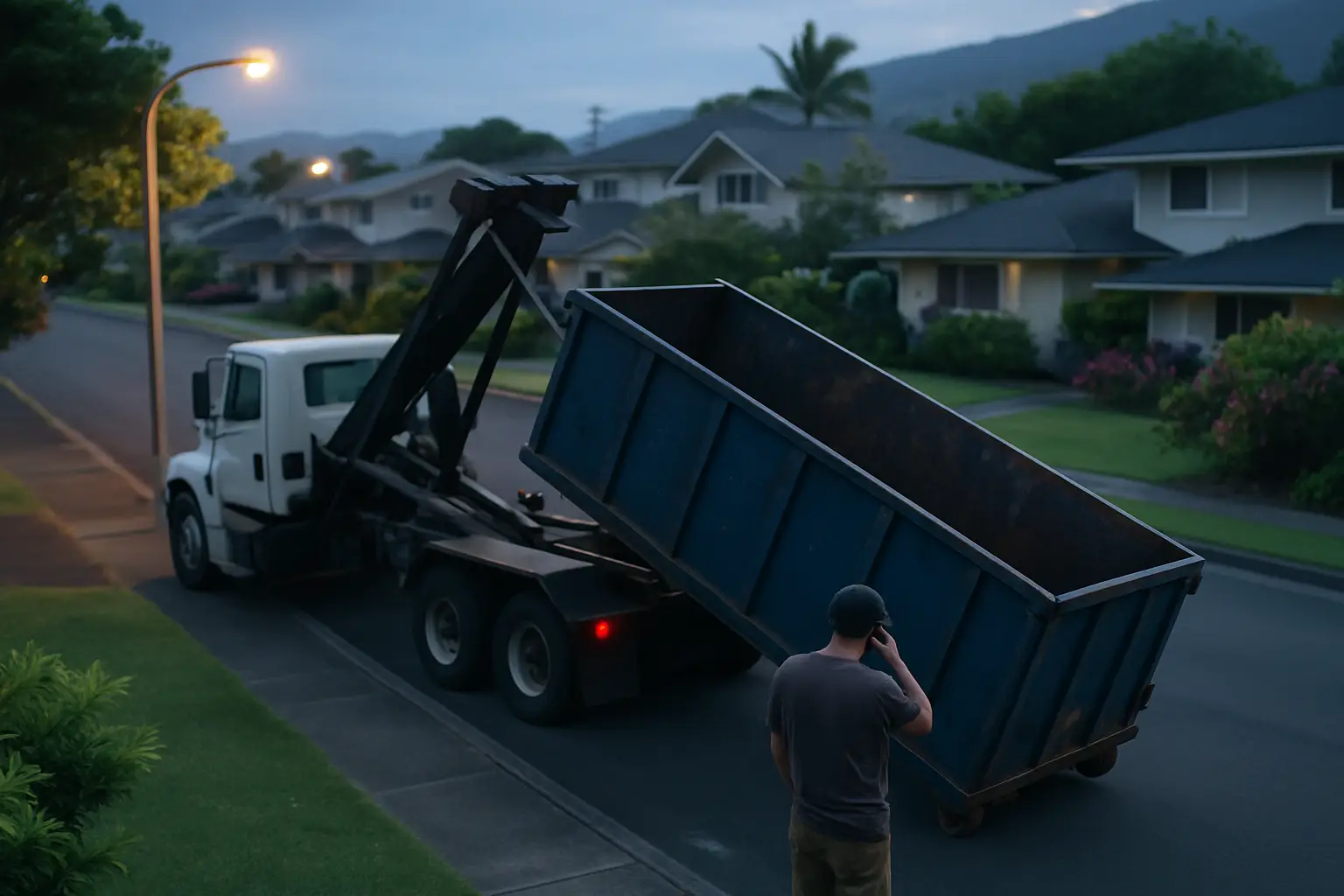
Eugene Dumpster Rental confirms placement before delivery, with a photo record and scheduled pickup coordination.

Dumpster Rental Honolulu, HI gives homeowners, contractors, landlords, and businesses a practical way to contain debris without guessing at placement. Eugene Dumpster Rental helps match the container to the material, access, driveway, and loading plan. Service is available 24/7, Monday to Sunday, with the details confirmed before the truck is dispatched.

  • Licensed, bonded and insured
  • Serving since 2016
  • 5162 + containers delivered
  • Open 24/7, Monday to Sunday
  • Serving Honolulu County

Local operating knowledge

Honolulu jobs need more than a container

Honolulu properties do not all give a delivery truck the same working room. A detached home in Kalihi may have a narrow driveway and overhead utility lines, while a newer property near Kapolei may offer a cleaner approach but still have a tight gate or sloped pavement. Condominiums, apartment buildings, and commercial sites add another layer because the placement area may belong to a property manager or sit beside active traffic. Eugene Dumpster Rental checks the proposed position, access route, surface, material, and pickup plan before treating the order as ready. That prevents a container from arriving at a spot the truck cannot safely reach.

The business has served the area since 2016 and has delivered 5162 + containers. The useful part of that experience is not a slogan. It is knowing that roofing debris, concrete, soil, household contents, green waste, and mixed renovation material should not automatically share the same size recommendation. Weight can become the limiting factor before the container looks full. Honolulu weather also matters. Heavy rain can add water to loose material, and trade winds can move light debris around an open container. Eugene Dumpster Rental is licensed, bonded and insured and explains the practical limits before delivery.
Common project types

Dumpster Rental Honolulu, HI for real cleanup work

Most customers already know the project, but not the container that fits it. These options cover household cleanouts, renovations, roofing, landscaping, construction, commercial work, and ongoing waste. The recommendation changes with debris type, loading method, available footprint, and whether the job has a firm end date.

  • House Cleanout Dumpsters

    A house cleanout often includes furniture, cabinets, boxes, mattresses, and loose household material. A container keeps the work area organized while rooms are emptied. Tell us about stairs, narrow side yards, driveway width, and any unusually heavy items before choosing a size.

    Household clearing
  • Moving and Estate Cleanouts

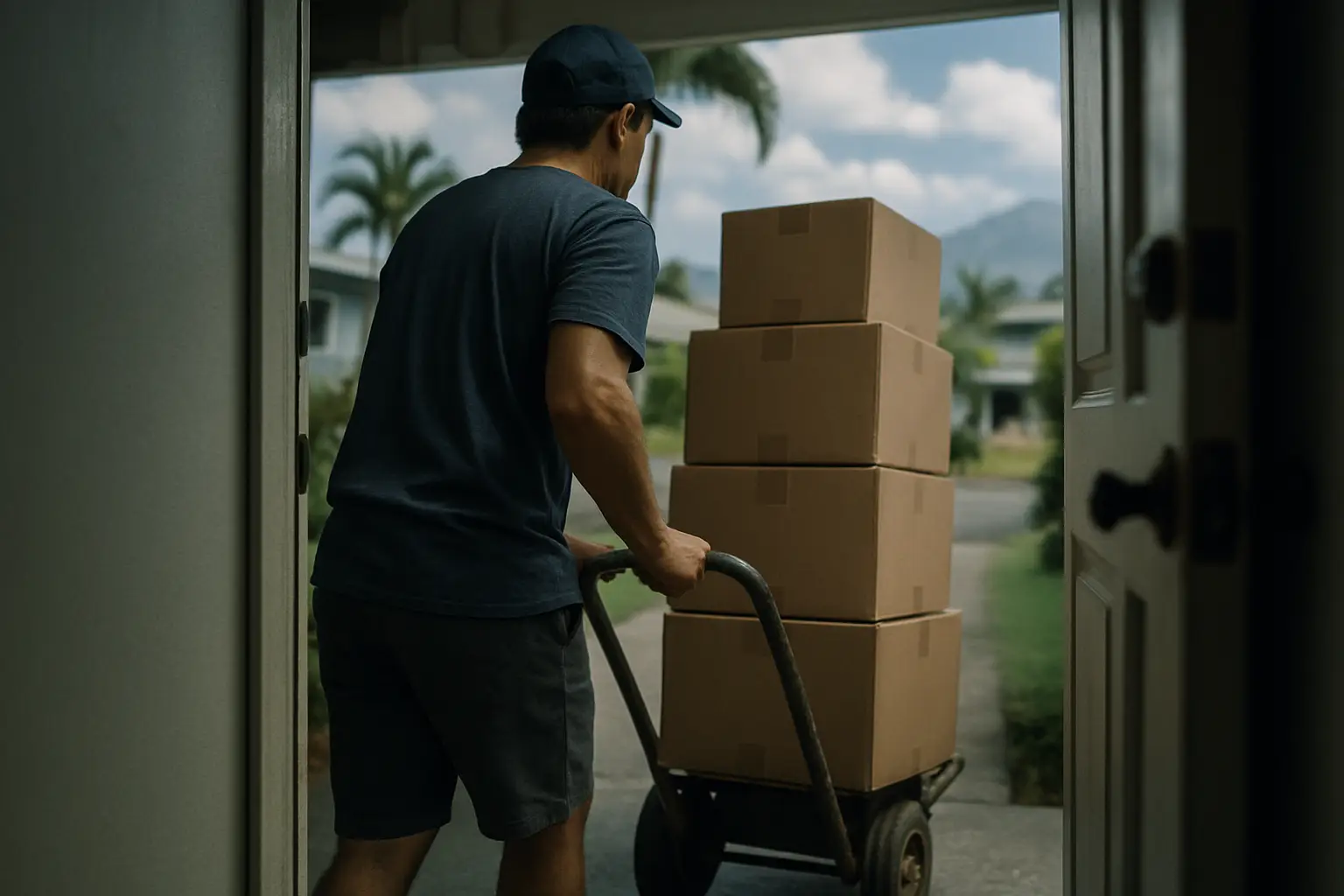
    Moving and estate work can produce bulky items in uneven waves rather than a steady stream. We help plan for furniture, appliances, packed boxes, and final sweep debris, while separating items that should be donated, kept, or handled through another service.

    Move-out debris
  • Home Renovation Dumpsters

    Bathroom, kitchen, flooring, and room renovation debris can fill a container quickly because cabinets, drywall, tile, and packaging do not stack efficiently. Describe the materials and demolition method so the container is sized for the actual load rather than the room name alone.

    Remodeling waste
  • Yard Debris Dumpsters

    Branches, palm fronds, brush, soil, and landscape tear-out material take more room than many customers expect. Separate dense soil or rock from lighter green waste when possible. We can discuss the loading approach and placement needed for a home with limited side access.

    Landscape cleanup
  • Roofing Debris Dumpsters

    Roofing work creates dense, awkward debris that can reach a weight limit before the container appears full. Shingles, underlayment, wood, and tear-off material should be described separately. Place the container where roof crews can load safely without blocking required access.

    Roof replacement
  • Same-Day Dumpster Rental

    Some cleanouts cannot wait for a later project window, especially after a move, a property turnover, or sudden storm debris. Same-day availability depends on equipment, route, material, and a safe placement plan. We will be direct if the requested timing cannot be met.

    Urgent cleanup
  • Concrete and Construction Debris

    Concrete, brick, block, tile, asphalt, and dirt are heavy materials that require a different conversation from ordinary household debris. Keep dense material within the agreed limits and explain whether demolition includes mixed waste. A smaller container may be the safer choice for heavy loads.

    Heavy material
  • Commercial Jobsite Dumpsters

    Commercial sites need a container plan that fits deliveries, workers, pedestrians, and changing phases of construction. We review access, surface protection, pickup coordination, and the expected material stream. Property rules or public placement requirements should be addressed before delivery is scheduled.

    Commercial projects
  • Recurring Business Waste Service

    Businesses with ongoing cleanouts, tenant turnover, packaging waste, or maintenance debris may need scheduled service rather than a single container. We can discuss collection frequency, storage area, access restrictions, and the material that repeats. The plan should match actual volume, not an optimistic estimate.

    Ongoing service

Additional cleanup options

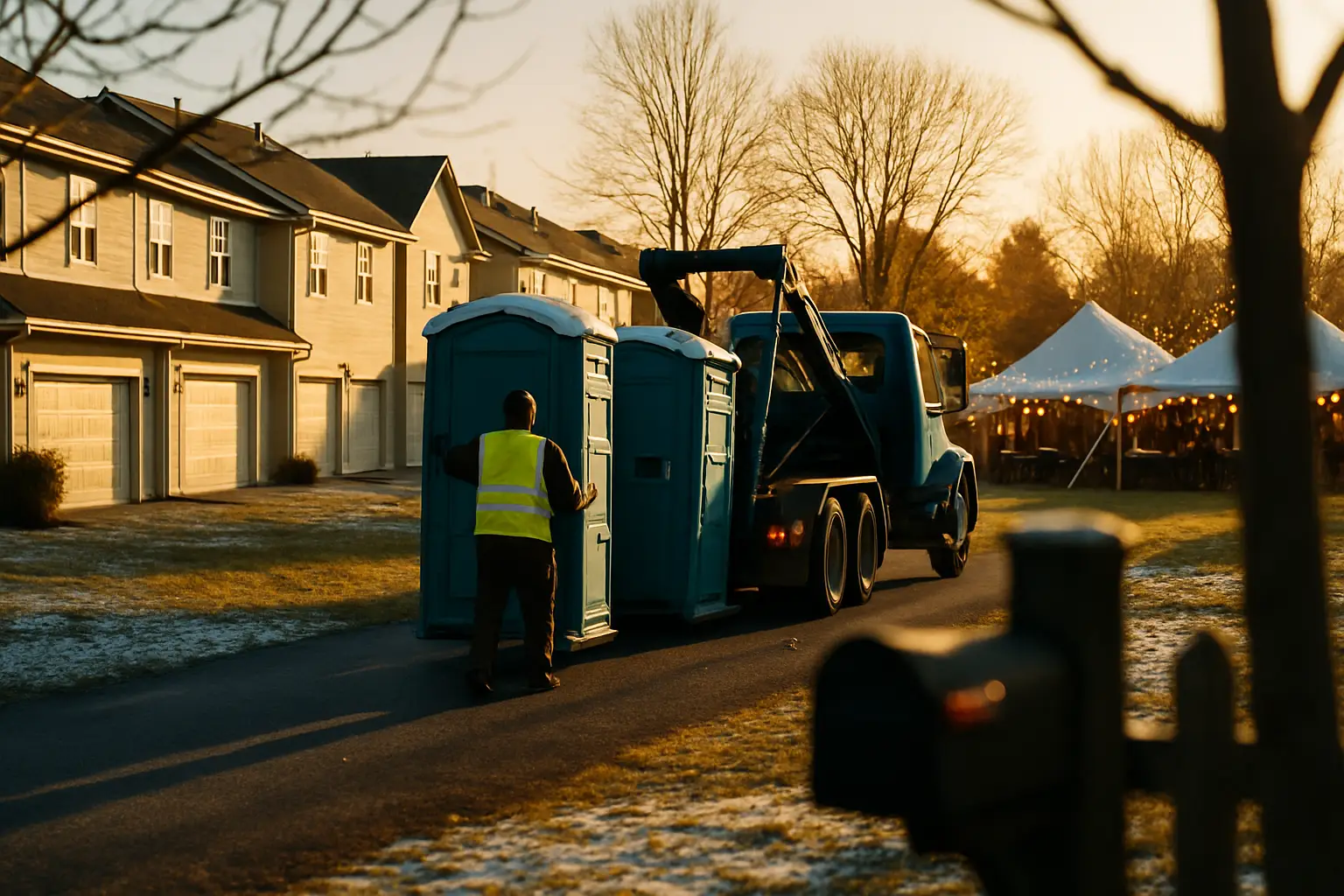
Some jobs need a different disposal approach

How scheduling works

A clear plan prevents delivery problems

  1. Describe the project

    Start with the material, rooms or areas involved, approximate demolition scope, and the date the debris will begin. Mention concrete, dirt, roofing, appliances, or other dense items early because they can change the recommendation more than the visible pile size.

  2. Review the placement

    We discuss the driveway, street, lot, gate, overhead clearance, slope, and truck approach. A container needs more than an empty rectangle. The truck must be able to reach the position, set down safely, and leave without striking structures or creating a traffic problem.

  3. Confirm the container

    The size is selected around volume and weight, not simply the number of rooms. We explain material restrictions, loading limits, and the likely pickup plan. If a smaller or different option is enough, we will say so instead of pushing a larger container.

  4. Prepare the area

    Clear vehicles, tools, branches, loose objects, and anything that narrows the approach. Protect private access as needed, keep people away during placement, and obtain property or street permission when another owner or public area controls the proposed spot.

  5. Coordinate pickup

    Tell us how the project is progressing and what access will look like at pickup. Keep the container reachable, do not overload it above the rim, and avoid placing new obstacles around it. Scheduled pickup coordination works best when site changes are shared early.

Why local details matter

The useful answer is often the cheaper one

  1. We size for material, not guesswork

    A large container is not automatically the right container. Roofing, concrete, tile, soil, and masonry can become too heavy before the box is full, while bulky furniture and brush consume space quickly. Eugene Dumpster Rental asks what is being loaded, how it will be broken down, and whether the crew can distribute the weight. If a smaller option fits, that is the recommendation.

  2. Placement is checked before the truck moves

    A Honolulu driveway may have a steep approach, limited width, low branches, walls, parked vehicles, or a surface that should not carry concentrated weight. We discuss the route and proposed position before delivery, then use photo-confirmed placement as part of the scheduled process. That gives the customer a record of where the container was set and reduces avoidable site confusion.

  3. The service matches real project changes

    Cleanouts rarely follow a perfect plan. A tenant may leave more furniture than expected, a renovation may uncover extra material, or a storm may scatter green waste across a yard. Eugene Dumpster Rental is available 24/7, Monday to Sunday, so the conversation can happen around the project rather than a short office schedule. We still will not promise an arrival time that the route cannot support.

Service standards

What customers should expect from the job

  • Every delivery begins with a discussion of material, access, placement, and pickup conditions.
  • Containers must remain below the rim and within the agreed material and weight limits.
  • Drivers need a clear approach free from vehicles, branches, equipment, and loose obstacles.
  • Customers should disclose concrete, dirt, roofing, tile, appliances, and other dense debris beforehand.
  • Property owners or managers may need to approve placement on shared or controlled surfaces.
  • Public street placement usually requires permission from the responsible local authority first.
  • Pickup works best when the container remains reachable and the access route stays clear.
  • Eugene Dumpster Rental explains limitations plainly before scheduling the truck.

Placement planning

Where a container can safely sit in Honolulu

The safest position is usually a firm, level private surface with a direct truck approach, but Honolulu properties vary sharply. A driveway may be narrow in older neighborhoods, sloped toward the street, bordered by walls, or partly covered by low branches and utility lines. Condo and apartment sites often require property approval before a shared loading area is used. A container on a public street usually needs town or county permission first; tell us where it has to sit and we will explain what applies. Do not assume a parked vehicle can simply be moved later. The driver needs room to approach, set the container down, and pull away without crossing a sidewalk, blocking a hydrant, trapping another vehicle, or damaging pavement.

Before delivery, clear the proposed footprint and the truck path. Move cars, trailers, tools, toys, loose lumber, and low-hanging branches. Tell us about gates, retaining walls, tight turns, steep grades, overhead wires, and soft ground after rain. A truck may need more approach room than the container itself, especially on a narrow residential lane or a busy commercial corridor. If the only practical spot is on a street, confirm the responsible authority and any building or property manager requirements first. Keep the loading area visible and reachable during the rental. Photo-confirmed placement helps document the agreed position, but it does not replace permission or safe access.

keyPoints left out?

Material decisions

How Honolulu homes change size and weight choices

Honolulu housing stock ranges from older single-family homes and compact lots to condominium buildings, newer subdivisions, and commercial properties with shared access. That changes both the amount of debris and the way it can be loaded. A bathroom remodel may produce tile, fixtures, drywall, and cabinets in a tight space. A kitchen renovation can add dense counters, appliances, framing, and flooring. Moving or estate work often produces bulky furniture that fills a container before it weighs much. Roofing creates a different problem because shingles and tear-off layers are dense. The visible pile is not enough information for a reliable size recommendation.

Weather and material condition also matter. Wet springs, tropical showers, and storm cleanup can add moisture to soil, green waste, cardboard, and loose debris. Palm fronds and branches take space unless cut down, while concrete, block, dirt, and tile can exceed a practical weight limit quickly. Ask about the material before ordering the biggest container available. Break down bulky items where safe, keep dense debris distributed rather than heaped at one end, and separate material that may require a different handling plan. If the project spans several phases, scheduled pickup may be more useful than overfilling one container.

keyPoints left out?

Common questions

Answers before you schedule a container

How much does Dumpster Rental Honolulu, HI cost?

The cost depends on container size, rental duration, debris type, placement, access, and pickup requirements. Dense material such as concrete or dirt can change the recommendation, while bulky household contents may require more volume. Honolulu driveways, shared lots, and public street placement can add planning requirements. Have the project address, material list, preferred placement, and timing ready so the estimate reflects the actual job.

What size dumpster do I need for a home cleanout?

The right size depends on the number and type of rooms, furniture volume, appliances, boxes, and how tightly the material can be loaded. A small bathroom cleanout may not need the same container as a whole-home move or estate cleanout. Honolulu homes with narrow driveways also need a size that fits the delivery approach. List the largest items and describe whether the debris is bulky, dense, or mixed.

Can a dumpster go in my Honolulu driveway?

A dumpster can often sit on a suitable private driveway when the surface, slope, width, overhead clearance, and truck approach are safe. The driveway must be clear, and the driver needs room to set down and retrieve the container. Older Honolulu properties may have tight gates, walls, or grades that change the plan. Describe the surface and access before scheduling, and ask the property owner for approval if the driveway is shared.

Can I put a dumpster on the street in Honolulu?

Street placement may be possible, but it usually requires permission from the responsible local authority before delivery. The position must also protect traffic, sidewalks, visibility, hydrants, driveways, and emergency access. Rules can vary by street and property conditions in Honolulu. Tell us the exact proposed location and whether a building, landlord, or association controls the area, then confirm any permission before the truck is dispatched.

What cannot go in a dumpster?

Do not assume every waste stream belongs in the same container. Hazardous chemicals, fuels, pressurized containers, liquids, certain electronics, batteries, and other regulated materials may need separate handling. Concrete, soil, roofing, and mixed construction debris also need to be disclosed because weight matters. Honolulu cleanup conditions can include storm-damaged or wet material, so identify anything unusual before loading. Keep prohibited items aside and ask how they should be handled.

How fast can I get a dumpster delivered?

Delivery timing depends on equipment availability, route planning, the selected container, material, and whether the placement is ready and permitted. Same-day service may be possible for some projects, but it cannot be promised before those details are checked. Honolulu traffic, narrow approaches, shared properties, and street permission can affect scheduling. Provide a usable delivery window, clear the area, and explain any access restriction before arranging the job.

How high can I load a dumpster?

Load debris level with the top of the container and keep it distributed rather than piled above the rim. Overloaded material can fall during transport, create a road hazard, and require correction before pickup. Bulky Honolulu cleanup material should be broken down when safe, while heavy items should be spread across the floor. Keep doors, walkways, and the truck approach clear, and ask about dense material before loading begins.

Do I need to be home for delivery?

You may not need to be present if the placement has been clearly discussed, the area is accessible, and any property permission is already handled. Someone should still make sure vehicles, gates, equipment, and obstacles do not interfere with the truck. Honolulu properties often have shared drives or limited access, so an on-site contact can prevent confusion. Provide precise placement instructions and keep the proposed area open for delivery.

Plan the next step

Bring the project details to the call

Eugene Dumpster Rental can review the material, container size, placement, access, and pickup plan before anything is scheduled. Service is available 24/7, Monday to Sunday. A straightforward conversation is especially useful when the site has a narrow driveway, shared parking, dense debris, or a public street placement question.

Phone

(833) 652-8890

The call covers your project material, preferred size, delivery access, placement conditions, scheduling needs, and pickup plan.

Availability

24/7
Monday to Sunday, day and night

Have this ready

  • Project address and placement area
  • Debris types and largest items
  • Preferred delivery and pickup timing
  • Gate, driveway, street, or property restrictions

Where we work

Honolulu, plus Halawa, Aiea, Kaneohe, East Honolulu, Waimalu, Maunawili, Pearl City, Kailua, Waipahu and Ewa Beach.

See the full service area list

Get the container plan right before loading

Describe the work, the debris, and the place where the container must sit. Eugene Dumpster Rental will help sort the practical details, including size, access, placement, and pickup coordination.

Click Here to Call(833) 652-8890

Honolulu County coverage

Dumpster service across Honolulu and nearby communities

Eugene Dumpster Rental focuses this home page on Honolulu while also coordinating delivery across Honolulu County. Coverage includes Halawa, Aiea, Kaneohe, East Honolulu, Waimalu, Maunawili, Pearl City, Kailua, Waipahu, and Ewa Beach. Access, placement, and material requirements still vary by property, so share the exact address and proposed container location before scheduling.

KakaakoKalihiManoaWaikikiNuuanuKapahulu

Dumpster Rental in nearby towns

Click Here to Call(833) 652-8890